
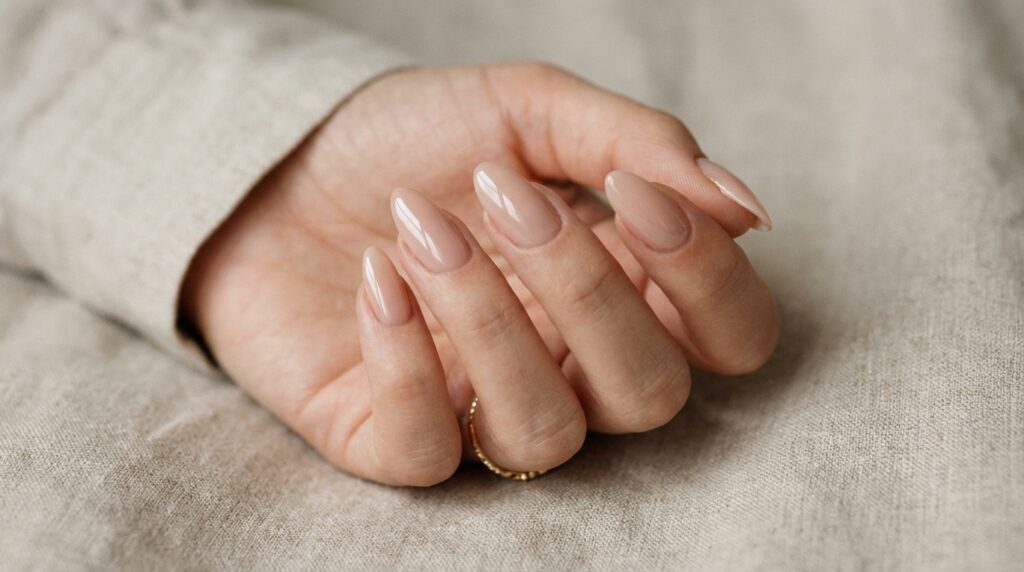
When clients sit in my chair, looking for a transformation that balances elegance with practicality, the conversation almost always turns to the debate of press on vs acrylic nails. It is the most common crossroads in the nail world today. On one hand, you have the architectural durability of acrylicsâthe traditional powerhouse of extensions. On the other, the modern evolution of high-end press-ons (often referred to as soft-gel tips) which offer a damage-free, versatile alternative for the minimalist aesthetic.
This style of manicure isn’t just about length; it is about silhouette. It suits the client who wants the elongated elegance of extensions but perhaps cannot commit to the bi-weekly salon upkeep or has thin nail plates that require a break from harsh filing. Whether you are navigating a conservative office environment or preparing for a weekend event, understanding the nuances of texture, opacity, and weight between these two systems is crucial for achieving that “your nails but better” finish.
What This Nail Style Looks Like in Real Life
To the untrained eye, a high-quality press-on set and a sculpted acrylic set can look remarkably similar, but as a technician, I look for specific visual cues that distinguish the two. In the realm of minimalist beauty, we prioritize a “glass-like” finish and a blurred cuticle line.
Color & Opacity
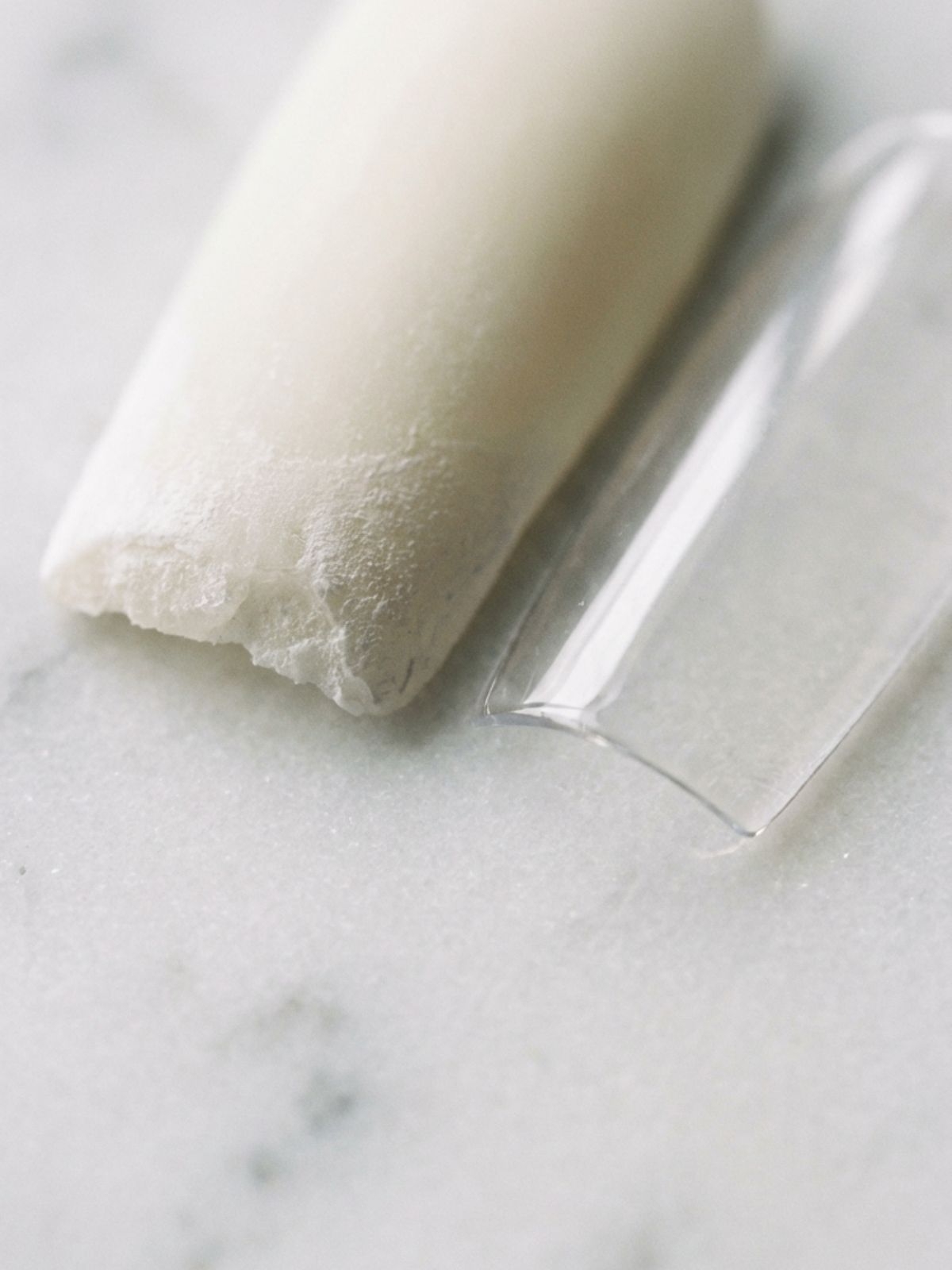
Acrylics are formed by mixing a liquid monomer with a powder polymer. This mixture naturally has a denser, more opaque finish. While we can use sheer powders, acrylics tend to have a “creamier” look. Conversely, modern press-ons (specifically high-end gel tips) are molded from soft gel. They excel at capturing that trending “jelly” or “milky” aesthetic where the light diffuses through the nail, mimicking the translucency of natural enamel.
Shape & Structure
Acrylics allow for architectural correction. If you have ski-jump nails or flat nail beds, acrylics can build an apex (the highest point of the nail) to restructure the profile. Press-ons come pre-shaped. They provide a perfect, uniform C-curve (the arch seen when looking down the barrel of the nail) every single time. They look thinner at the free edge, offering a more delicate, razor-sharp silhouette compared to the slightly bulkier reinforcement needed for acrylics.
Nail Style Profile
| Feature | High-End Press-Ons (Soft Gel) | Acrylic Extensions |
|---|---|---|
| Color Family | Unlimited (High clarity/translucency) | Nudes, Pinks, Clear (Often denser) |
| Opacity | Sheer / Semi-sheer / Opaque | Semi-Opaque / Opaque |
| Finish | High-gloss, Gel-like, Glassy | Glossy (requires top coat), Durable |
| Ideal Nail Length | Short to Extra Long | Medium to Extreme Lengths |
| Ideal Nail Shape | Almond, Coffin, Squoval | Square, Stiletto, Deep Almond |
| How Natural It Looks | Very Natural (thinner profile) | Moderately Natural (thicker structure) |
| Best For | Office, photo shoots, weddings, minimalists | Manual labor, long-term wear, nail biters |

Why “Press On vs Acrylic Nails” is Popular for Everyday Wear
The surge in popularity for this comparison stems from a collective shift toward nail health. For years, the only way to get a perfectly tapered almond shape was to sit for 90 minutes while a technician sculpted acrylic beads onto your fingers. Now, technology has bridged the gap.
Clients are realizing they can achieve high-fidelity realism without the commitment. Press-ons have shed their “drugstore plastic” reputation. We are now seeing hand-painted, soft-gel tips that offer the same light reflection and durability as a salon gel manicure. This is particularly appealing for professionals who might need minimal nails for short fingers during the work week but want length for a vacation.
Furthermore, the visual weight of the hands changes. Acrylics add physical thickness to the finger tips, which can sometimes look heavy. Press-ons sit flush against the nail plate, maintaining a slender finger profile that is highly coveted in editorial styling.
How to Get This Nail Look
Achieving a flawless extension requires knowing exactly what to ask for, whether you are visiting a salon or curating your kit at home.
At a Nail Salon
If you prefer the salon experience but want the look of press-ons with the longevity of extensions, ask for “Gel-X” or “Full Cover Soft Gel Extensions.” Do not ask for acrylics.
- The Ask: “I would like soft gel extensions with a sheer nude color. I want the cuticle area to be flush and the thickness to be minimal.”
- The Visual: Show a photo where the transition from the cuticle to the extension is invisible.
- What to Avoid: Avoid dipping powder or traditional monomer-and-powder acrylics if you want that translucent, glass-nail finish. These materials are naturally more opaque.
At Home
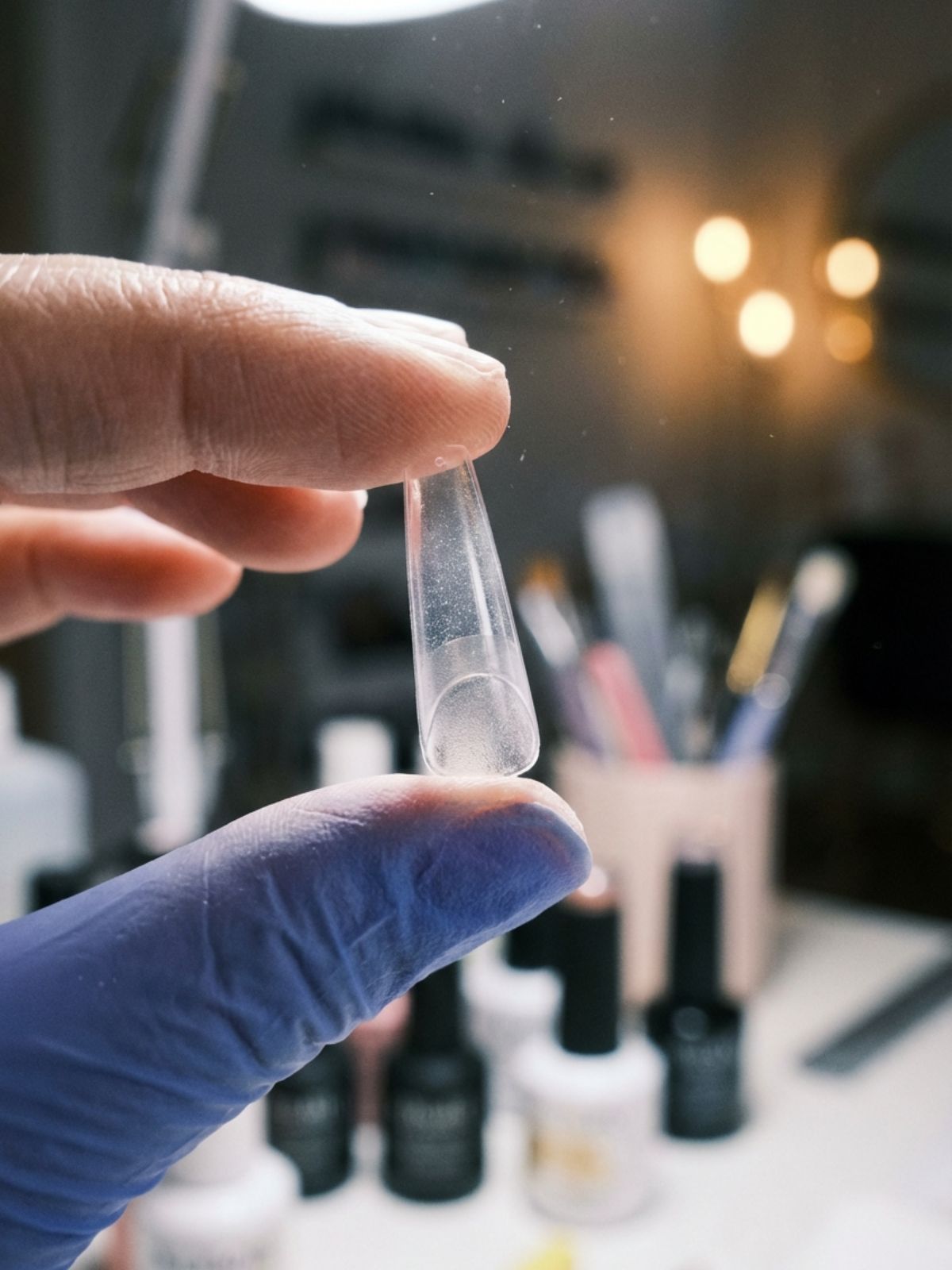
For the DIY enthusiast, sourcing quality is paramount. You are looking for “soft gel tips” rather than ABS plastic tips. Soft gel tips are flexible and can be dissolved with acetone, just like a gel polish.
If you are prepping for a specific occasion, such as event press-ons, opt for a kit that includes a brush-on glue (resin) or a solid gel adhesive. These provide a more natural, gap-free seal than adhesive tabs, which can slightly elevate the nail off the bed, revealing that it is a temporary application.
Step-by-Step Application for the Most Natural Result
The secret to making press-ons indistinguishable from sculpted acrylics lies entirely in the prep work. We want to eliminate “lift” and ensure the artificial nail melts into your natural sidewalls.
1. The “Dry” Prep
Never soak your hands in water before application. Nails are like sponges; they expand when wet and shrink when dry. Applying nails to damp plates guarantees they will pop off within 24 hours. Push back the proximal nail fold (cuticle) gently to expose the entire nail plate.
2. Etching for Adhesion
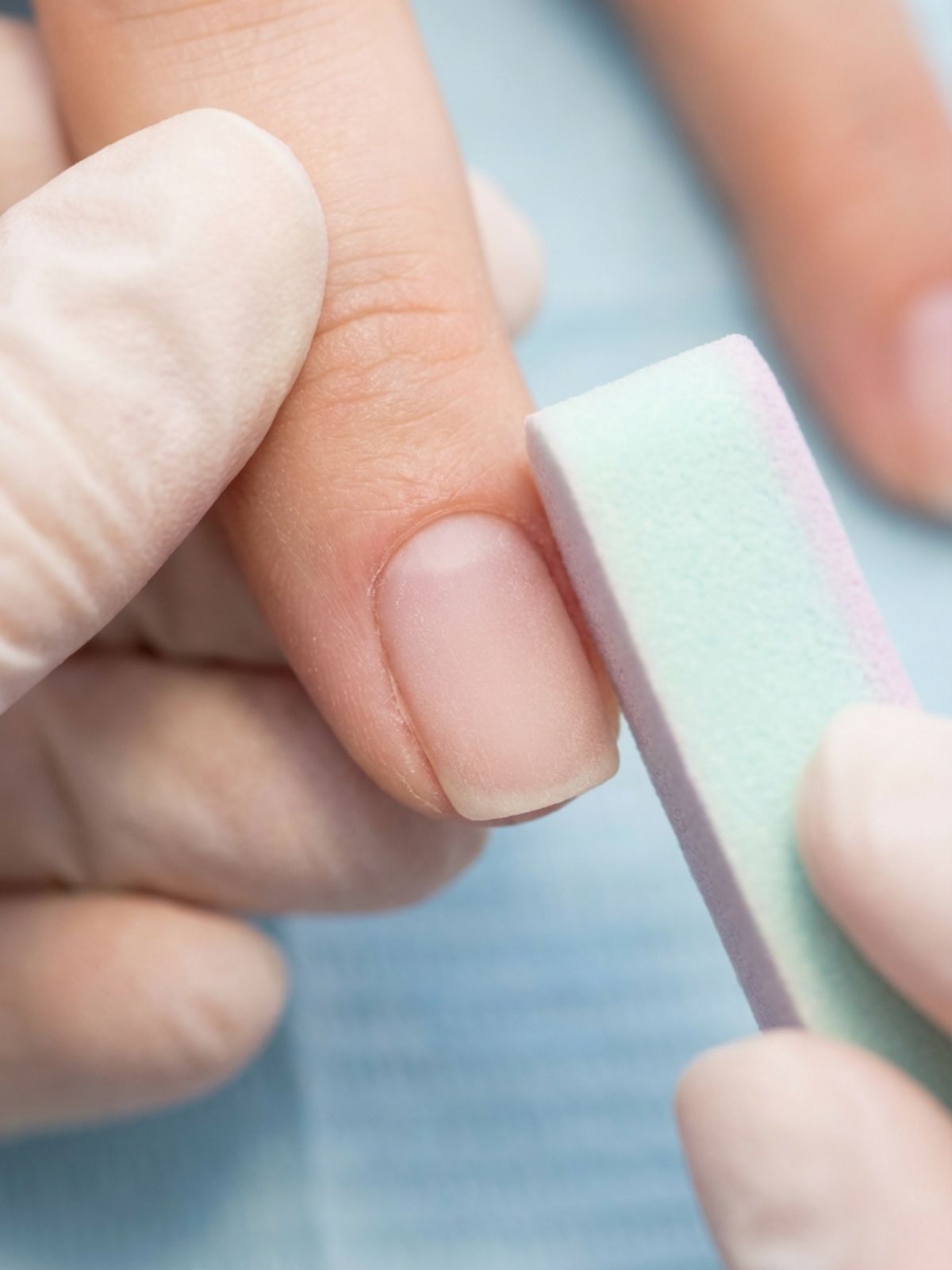
Buff the surface of your natural nail to remove shine. This creates a textured surface for the adhesive to grip.
Pro Tip: Use your e-file or a coarse buffer to roughen the inside of the press-on tip where it meets your nail. This chemical bond between the roughened plastic and your keratin is unbreakable.
3. Sizing the Sidewalls
A common error is choosing a tip that is too large. If the press-on touches your skin on the sides, it will lift. If you are between sizes, choose the larger one and file the sides down until it fits perfectly inside your sidewalls, not on top of them. For a deeper dive on this, read my guide on How to Apply Press-On Nails Perfectly.
4. The 45-Degree Application
Apply your adhesive (glue or gel) to the well of the tip. Align the base of the press-on with your cuticle line at a 45-degree angle. Slowly rock the nail down toward the free edge. You should see the glue spreading without bubbles. Hold firmly for 30â60 seconds. This pressure eliminates air pockets, which are the enemy of translucency.
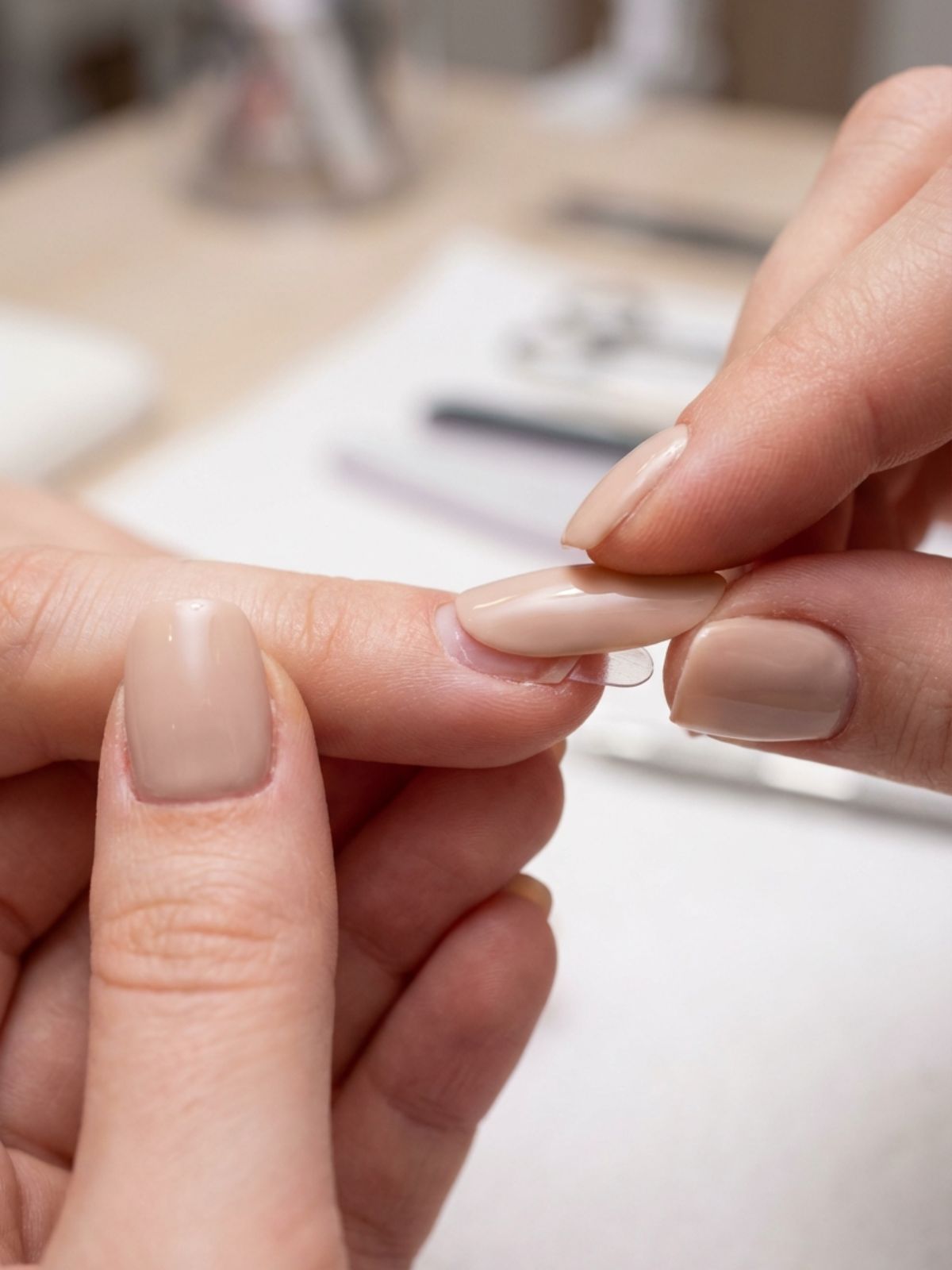
5. The Cuticle Seal
Once applied, take a fine-grit file or a small brush dipped in acetone and gently run it along the seam where the press-on meets your cuticle. This “melts” the edge of the tip, making the transition seamless and undetectable.
Common Mistakes That Make Nails Look Fake
The “Chicklet” Effect
This happens when the press-on is too thick at the cuticle area, creating a ridge that catches on hair and clothes. Always look for tips that are “tapered” or “cuticle-thin.”
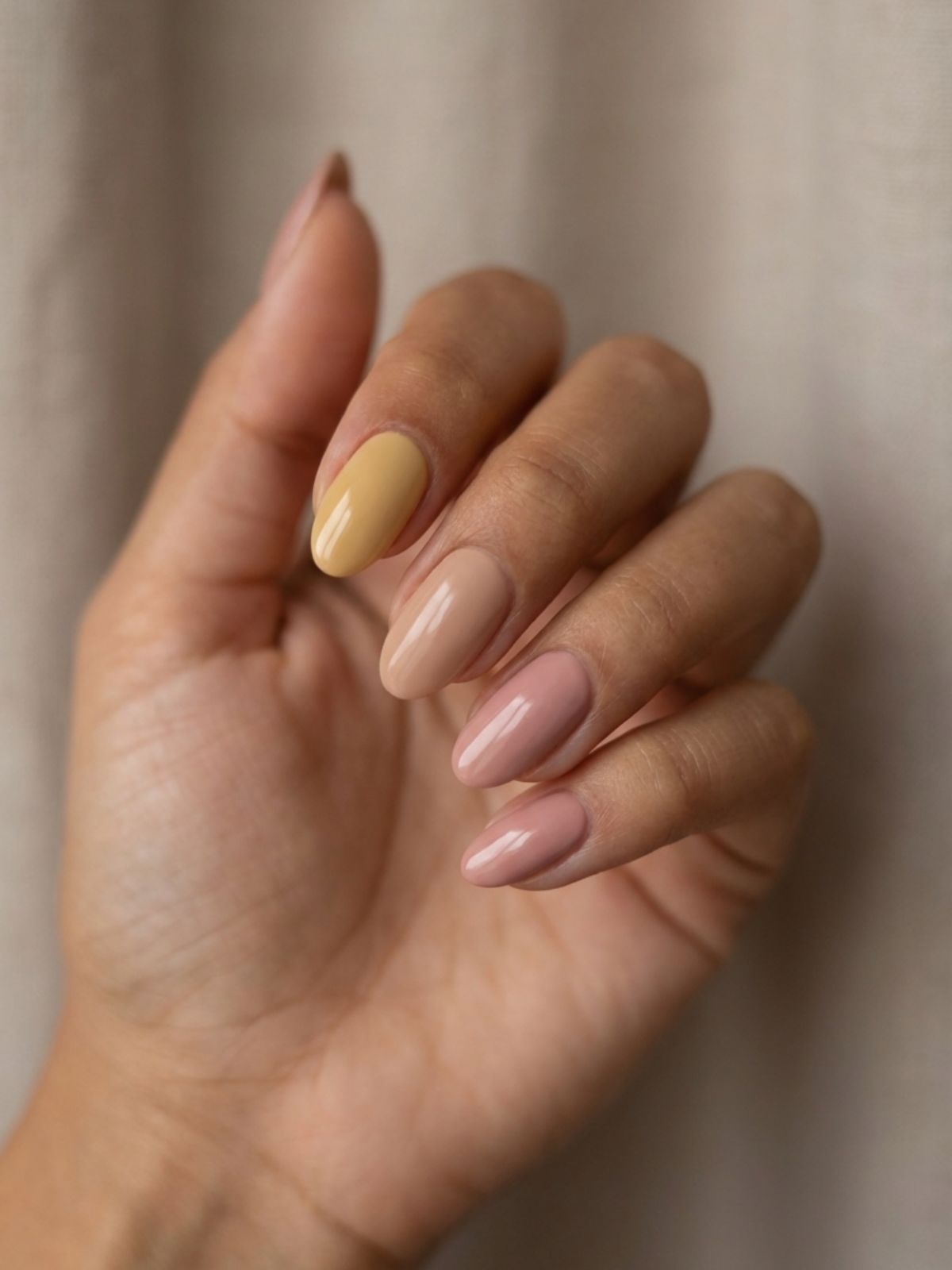
Wrong Undertones
Just like foundation, nude nails require undertone matching. If you have cool undertones and choose a warm, peachy nude, the nails will look foreign on your hands. Translucent, milky pinks are generally the safest bet for a universal “natural” look.
Poor Length Ratios
A nail bed that is very short combined with an XXL coffin shape often looks unbalanced and puts stress on the natural nail, leading to painful leverage injuries. For a sophisticated look, aim for a length that elongates the finger without overwhelming the hand size.
Maintenance and Longevity
When debating press on vs acrylic nails, longevity is the main variable. Acrylics can last 3â4 weeks with a fill. High-quality press-ons applied with resin generally last 10â14 days. To maintain the glossy finish:
- Oil Daily: Cuticle oil keeps the surrounding skin soft and prevents the adhesive from becoming brittle and snapping.
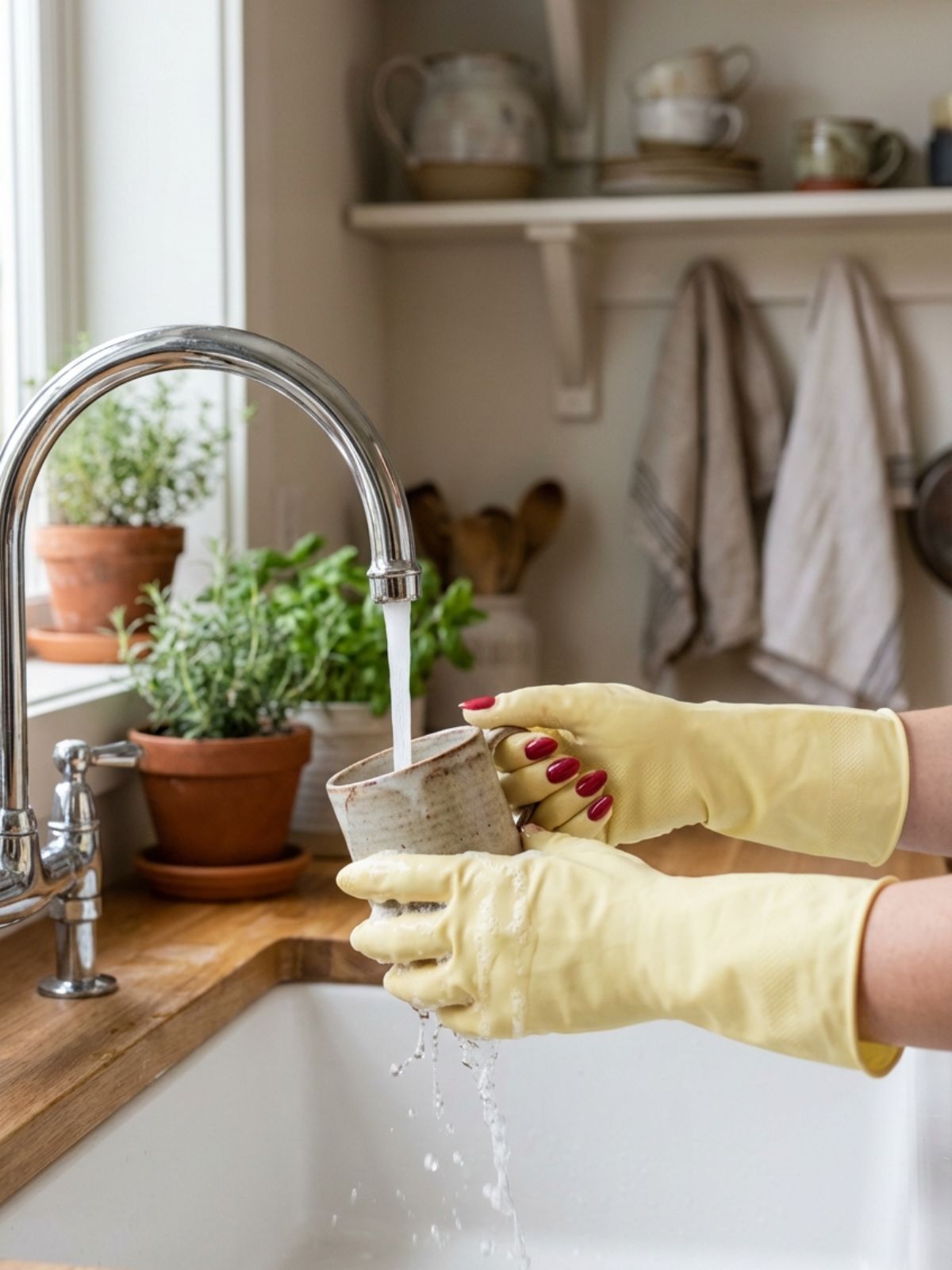
- Gloves are Non-Negotiable: Hot water and dish soap break down adhesives. Wear gloves when cleaning to protect that high-gloss finish.
- Alcohol Wipes: If your finish dulls, wipe the surface with 70% isopropyl alcohol to remove lotion residue and restore the shine.
FAQ
Can press-ons damage my natural nails?
Damage usually comes from improper removal, not the product itself. Ripping press-ons off shreds layers of your natural keratin. Always soak them off in acetone or warm soapy water and oil, depending on the adhesive used. According to experts at Byrdie, patience during removal is the key to preserving nail health.
Which shape looks the most natural?
For the most natural appearance, follow the shape of your cuticle line. If you have a round cuticle, a round or oval shape will look most organic. Generally, a soft almond shape is universally flattering and elongates the fingers beautifully.
Why do my press-ons pop off after one day?
This is almost always a prep issue. Either there was oil left on the nail plate, or the shine wasn’t fully buffed away. Dehydrating the nail with pure alcohol or acetone before applying glue is a critical step you cannot skip.
Is gel better than acrylic?
“Better” is subjective. Gel (and gel-based press-ons) is more flexible and moves with the natural nail, causing less trauma upon impact. Acrylic is harder and more rigid, which provides great protection for weak nails but can cause severe breaks if the nail is hit hard.
Conclusion
Choosing between press on vs acrylic nails ultimately comes down to your lifestyle and your aesthetic priorities. If you crave the architectural strength and permanence of a sculpt, acrylics remain a classic choice. However, for the modern minimalist who values versatility, nail health, and a hyper-realistic glass finish, the new generation of soft-gel press-ons is unrivaled.
Do not be afraid to experiment. The beauty of the press-on system is its impermanenceâyou can wear a dramatic stiletto for a weekend wedding and return to a functional short squoval for the office on Monday. Trust the process, focus on your prep, and enjoy the elegance of a salon-quality manicure from the comfort of your home.